

When to Paint a Home Exterior in Sarasota
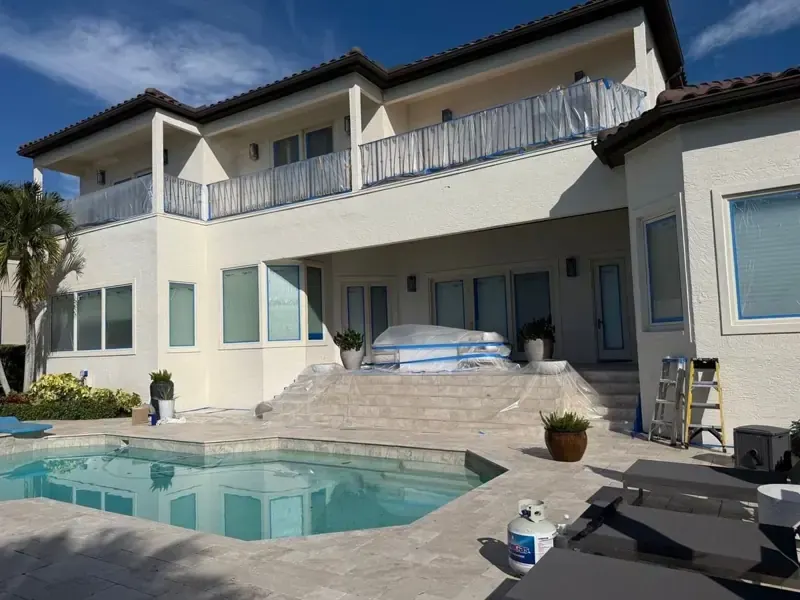
The best time to paint a house exterior in Sarasota is a stretch of dry days with moderate humidity, not a fixed date on the calendar. October and November often give you that kind of stretch, because afternoon storms usually thin out after the summer rains. Even so, the forecast and the condition of your walls decide the schedule, and a painter may tell you the same.
What weather a paint job needs
Exterior paint has to go onto a dry surface and then stay dry long enough to set. As the film firms up, it may become less vulnerable to marking from rain, dew or a sprinkler. Cure, the slower stage where the coating reaches full hardness, takes longer still.
Things to consider when you read a forecast include:
- Rain. A shower soon after application can streak or wash out fresh paint. Look at the whole work period, not only the first morning.
- Humidity. High humidity slows drying and can leave surfaces damp early and late in the day. Coatings list their own limits on the label, so follow those.
- Direct sun. Paint applied to a hot, sun-baked wall can dry too fast, which hurts flow and adhesion. Crews often follow the shade around the house for that reason.
None of this is unique to Florida, but Florida makes each item harder to ignore.
How October and November affect exterior painting
Florida Gulf Coast weather often stays warm and humid into October, and rain can still interrupt outdoor work. Hurricane season also runs through November, so a tropical system can scramble any schedule. Plan with some slack rather than a hard finish date.
November often brings fewer afternoon storms than summer, and the air tends to feel drier. That can mean more usable days in a row, which is what a repaint needs. Still, a cool front can bring a day or two of rain, so check the forecast before you set dates and again a few days out.
If you are reading this in either month, that is not a reason to rush. It is a reason to get the walls looked at and the work lined up, so you can start when a good window opens.
Why the surface matters as much as the calendar
Perfect weather will not save paint that goes onto a bad surface. Prep, meaning cleaning, repairs and priming where needed, usually decides how long a paint job looks good.
On stucco painting jobs, the walls should be sound, clean and dry. Hairline cracks, damaged patches and spots where old paint has let go all need attention before new coating goes on. Stucco is porous, so it can hold moisture for a while after rain or pressure washing. Painting over damp stucco can trap that moisture behind the film.
A few signs call for extra prep and extra drying time:
- Chalking. Rub a dry hand across the wall. If a powder comes off on your skin, the old paint is breaking down and needs cleaning or a suitable primer.
- Peeling or flaking paint. It has to be scraped back to a firm edge, then repaired.
- Damp or stained areas. Find the source first, whether a gutter, a sprinkler or a crack, and let the wall dry out.
- Mildew or algae. Warm, humid weather encourages it. It needs to be cleaned off, not painted over.
How the Sarasota area changes the answer
Florida Gulf Coast summers usually run long, hot and wet, with rain potentially interrupting exterior work. That can make cooler, drier months worth considering for exterior work. The same pattern holds across the region, whether your home is in Sarasota, Bee Ridge or Bradenton.
Where your house sits changes the details. If your home is close to the water, as it might be in Anna Maria, salt in the air can leave a film on walls that has to be washed off before painting. If your lot is shaded by heavy trees, walls can stay damp longer after rain and may need more drying time than a house in open sun.
| Condition at your home | What it can mean for timing |
|---|---|
| Wall facing open sun all afternoon | Plan to paint it earlier in the day, and expect faster drying |
| Heavily shaded or tree-covered walls | Allow extra time for the surface to dry before coating |
| Near the water | Wash off salt residue before painting, and allow for that step in the schedule |
| Older stucco with cracks or peeling paint | Repairs and drying come first, so the start date may slide |
How to choose a workable painting window
You do not need a perfect date. You need a window with enough margin that one wet day does not wreck the job. Here is a simple way to find it:
- Check the forecast for rain and humidity across the whole work period, not just day one.
- Walk the exterior and note cracks, peeling spots, stains, mildew and anything that stays damp.
- Ask your painter how surface condition and the coating's instructions affect the schedule.
- Leave a few spare days for weather, especially while hurricane season is still running.
- Confirm how the crew handles a rain delay before the work starts.
The size of the house, the number of coats and the amount of prep all affect how many dry days you need. A residential exterior painting job with heavy repairs needs a longer window than a simple repaint of sound walls. If you are weighing a bigger scope, our overview of exterior painting shows what the work covers.
If you are considering exterior painting, we offer a Free Estimate.
Common questions
What is the best time to paint a house exterior in Florida?
Dry weather with moderate humidity matters more than the month. Across much of Florida that often means the cooler, drier months, but a rainy week in any month can still push a job back.
How long should stucco dry after rain before painting?
It depends on how heavy the rain was, how much sun and air the wall gets, and how porous the stucco is. A painter can check for moisture, and shaded walls often need more time than sunny ones.
When should I paint a stucco house in Florida?
Pick a window with several dry days in a row after the walls have been cleaned and repaired. Cracks and chalky or peeling paint should be dealt with first, because they affect how well the new coating bonds.
Areas we serve
Our services
Have a question about your project? Call (941) 539-4357